

Evaluation of the concordance betweennasopharyngeal and oropharyngealswabs in the detection of COVID-19
mai 7, 2026
Efficacy of dolutegravir-based therapy inachieving virological suppression in PLHIV inlow- and middle-income countries: real-worldevidence from a large clinical cohort in Cameroon
mai 7, 2026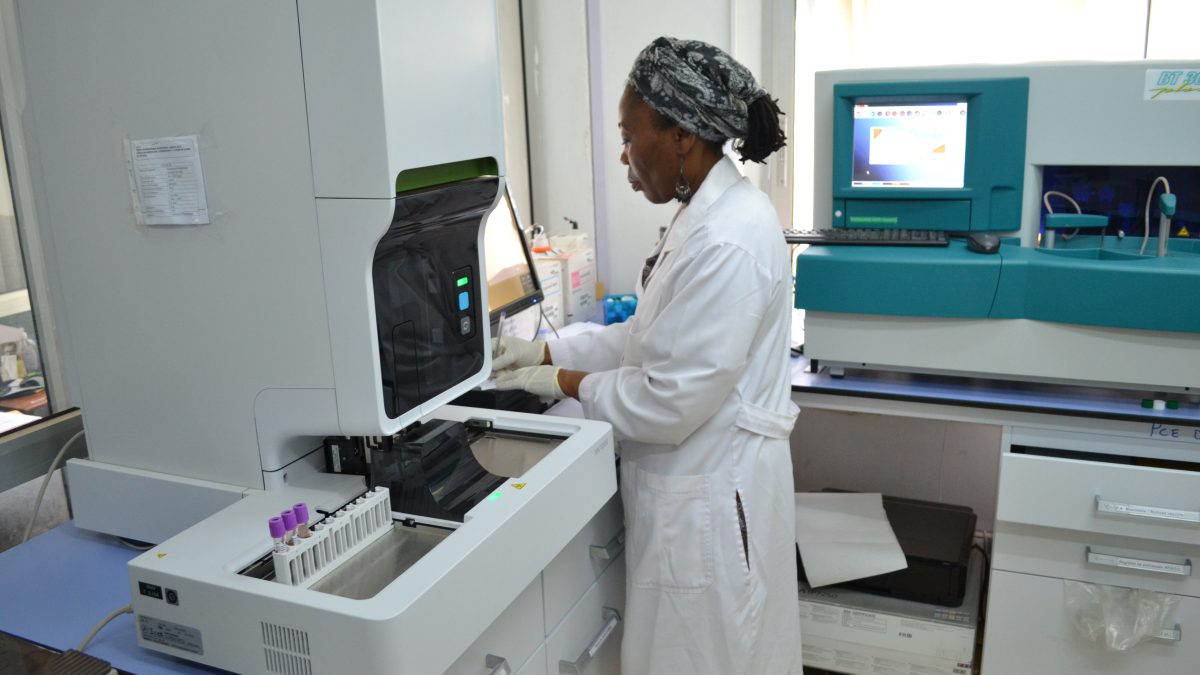
Par Rolf Moukanda-Ifoundou et al.
Background: Hepatitis B virus (HBV) is a global public health problem that affects many people, including people living with HIV (PLHIV). In Gabon, HBV infection remains a concern among PLHIV. This study aimed to determine the prevalence of HBV and its associated risk factors among PLHIV at the Nkembo Outpatient Treatment Center in Gabon.
Methods: This was a cross-sectional study conducted at the Nkembo Outpatient Treatment Center in Gabon from 25 March to 31 May 2024, involving 410 PLHIV. Blood samples (plasma) were collected for analysis. The OnSite HBV-5 Rapid Test was used to detect the HBs antigen and HBe antigen. CD4 + counting was performed using the BD FACSPresto™ system. The measurement of HBV and HIV viral loads was carried out using the QuantStudio™5 device, after performing extraction using GenoXtract® (version 1.0). Statistical analysis of the data was conducted using SPSS (version 21.0).
Results: Among the 410 PLHIV, the seroprevalence of HBV was 10.5% (95% CI: 7.9–13.8). Alcohol intake (adjusted odds ratio (aOR) = 2.1, 95% CI:1.2–3.4, p = 0.006), elevated transaminases (aOR = 3.1, 95% CI:1.8–4.8, p = 0.0001), CD4 + count less than 200 cells/mm3 (aOR = 3.6, 95% CI: 2.2–5.8, p = 0.0001), HIV viral load greater than 1,000 copies/mL (aOR = 2.5, 95% CI: 1.4–4.4, p = 0.001), and being unvaccinated (aOR = 2.2 95% CI: 1.2–3.8 p = 0.011) were identified as risk factors associated with HBV infection among PLHIV.
Conclusion: The prevalence of HBV remains a concern among PLHIV. Therefore, HBV screening is strongly recommended to improve the management of PLHIV
in order to reduce this burden of co-infection.